
Roxy Music - From there to here.
Avalon is better and don't mention Art School Rock either.

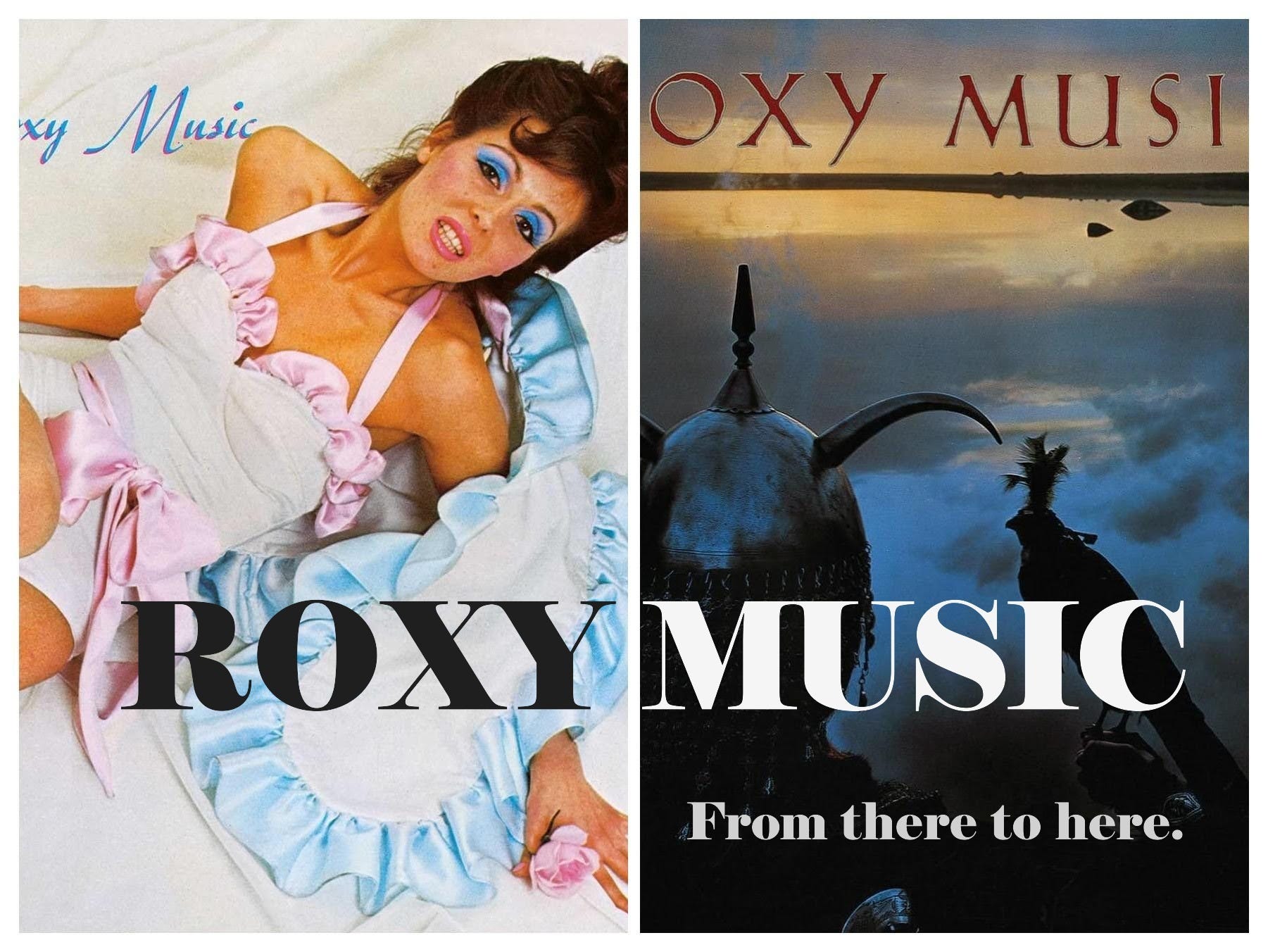
Just nobody mention Art School Rock ever again, that’s a bad badge to be presented with: Roxy Music’s debut album and Avalon, their final fling, feel like they were made by two different bands who happen to share the same rather fetching name. I know this because, while I’ve chosen not to listen to all their stuff endlessly, too many pithy live albums, I’ve lived with much of it chuntering along in the background. We all have our personal struggles.
The first album is all nervy, jagged-edge pop, married to a kind of blithering chaos. A group of slightly too old glam-rock weirdos shouting, “Why haven’t we made it yet?” as they press various buttons that do nothing. It’s mostly entertaining stuff, but it’s also scrappy and confrontational, all for a calculated purpose. “Creating pictures in your head like nobody else” was the infamous but accurate press tagline they became stuck with.
Songs veer off at odd angles, names are dropped, Eno’s synths gurgle and pop, Ferry sounds like he’s just learning about singing by grinning and sneering, and everything is constantly threatening to stall and tailspin in flames. That rawness is part of their eccentric charm, but it also means the album feels more like a day out from a young offenders’ institution than a sophisticated statement. You admire it for its fun and aural invention, even when it’s a bit exhausting to listen to end to end. Overall, it’s hard work for the listener, like hosting a big party in your small flat.
Ten years on, along comes Avalon. It sounds like a band that has nothing left to prove, everything under total control, and a reasonably generous studio budget to play with. Where the debut pushes and pokes at the listener, Avalon is all about seduction. The sound is polished without being cold: crystal guitars, easy bass, soft-focus porn synths, and a sense of space that lets everything breathe. It’s not just better produced; it’s more emotionally confident and it’s the 1980s. All that ’70s shit is so… ’70s.
Ferry’s voice has aged into something warmer and less wounded, and that maturity gives the songs an easy anti-gravity quality that the earlier material didn’t have. Instead of throwing mad ideas at the wall and bickering about musical outcomes, Avalon seems to know exactly what tiny details matter and quietly allows them to shimmer. The bigger the budget, the better the album? I doubt it, but Avalon works nicely as a full set; there’s no obvious filler.
Another thing about what makes Avalon the stronger work is how unified it feels. The first album is thrilling but fragmented, like a precise blend of influences and spikey tones. Avalon is a mood you can sink into from start to finish. Every song feels like it belongs, there in that fictional and poetic twilight world of longing, regret, and misplaced love. There’s a restraint to it that takes producer discipline, knowing when to play less, to add less, and when to let go. Just let the groove spiral or a bass line do the work on its own. That kind of subtlety is much harder to pull off than the slapstick style and wild experimentation in their first recordings. Avalon was something that Roxy could only grow into, and it only took eight studio albums and ten years to get there. Most bands never did do that.
So while the debut is essential to understand the language and quirks of Roxy Music, Avalon is where they finally arrive, fully translated and understood. It distils years of experimentation into something that sounds good today; rich, rewarding, and effortlessly stylish 40+ years later. The first album announces a fascinating band that, frankly, back then I found hard work at times. The Avalon Roxy sounds so much better: shaken, stirred and experienced, with demons duly exorcised and fully aware of their own power, and confident enough to whisper instead of shout.