
Culture Clash
I've never really enjoyed this band's music. There, I've said it.

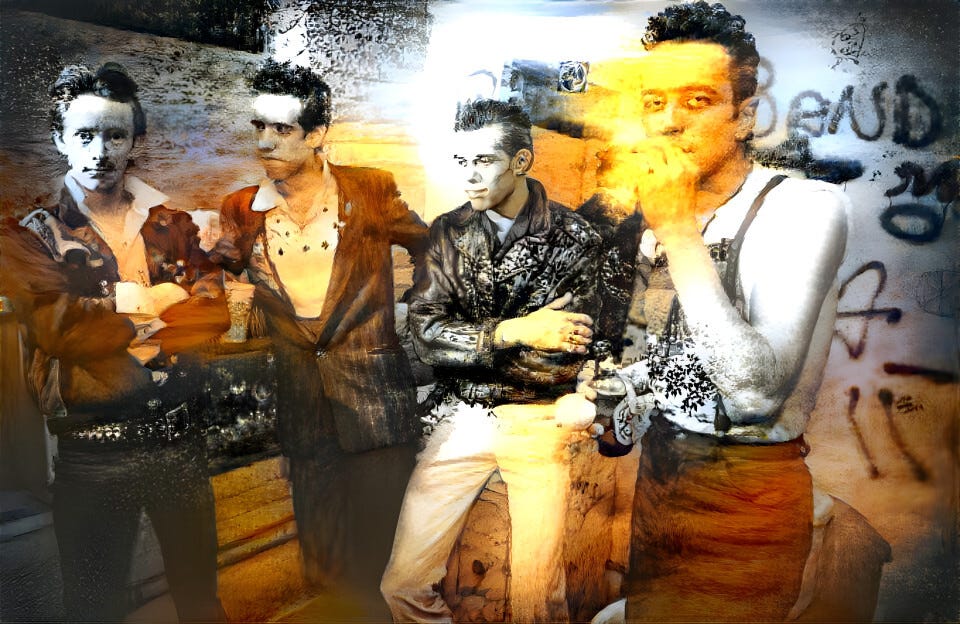
I’ve suffered in silence. I’ve bottled this opinion up for over forty years, so this is not just an idle burst of negativity or sour grapes. There’s a mild and honestly rather pleasant sense of relief in finally saying what I’ve always thought about the rock band called The Clash. I’ve never really enjoyed much of their music. There was always something about them that niggled me. Something not quite right. I couldn’t quite put my finger on it but I knew it existed. This view might not be popular. Big deal. It’s all water under the bridge now, and I’m hardly someone of great importance or influence.
All those feisty punks are feisty old age pensioners now, alongside the few remaining hippies, dodging the biodegradable coffins and baulking at the price of a pint. What kind of future were they really fighting? A Labour Government presented like a cheap game show, hosted by “Sir” Keir Starmer, scrubbed clean of activists and staffed by lobbyists’ puppets in ministerial suits? Black dog shit bags hanging from hedges? Temu Range Rovers on every street corner? Easy and open borders? Billionaires owning social media sites that sap the soul from young and old alike? I’ll stop there.
The Clash were always sold as the only punk band that mattered. Critics loved them. Still do. They talk about the band as though they carried the truth down from some holy mountain. I never heard it that way. I found them tedious much of the time: all fake anger, attitude and slogans, but with very little real substance underneath.
OK. The music was decent at times; loud, energetic, occasionally catchy, but hardly revolutionary. They borrowed heavily from reggae, ska and garage rock, wearing their influences openly. There always was more praise than invention, more reputation than genuine risk.
Then we had Joe Strummer. For a posh boy, he played the rebel convincingly enough: the great voice of the back streets and housing schemes. But he came from safety, comfort and education; exactly the sort of background punk was supposedly meant to distrust. That does not make him a fraud, but it does make the mythology feel staged. The sneer seemed paper thin. Punk loses something when rebellion arrives polished, articulate and perfectly suited to magazine spreads and album cover art.
The Clash mattered because critics needed them to matter. They were political without being too dangerous, angry without being too ugly. They offered journalists a version of punk they could admire without ever feeling threatened by it. They fitted a glossy, fashionable idea of rebellion, and look how thoroughly they’ve been canonised by the music press. They occupy a protected cultural space where ambition and lukewarm political messaging are too often mistaken for artistic depth.
Set against rawer or genuinely confrontational punk bands, The Clash can sound surprisingly safe and self conscious, almost like an art college rebellion designed for approval, ready to be eagerly lapped up by journalists and future rock historians alike. And that has always been the establishment’s favourite trick: hijack the heroes, bring them onboard, run them through the machine, roll them over, then spit them back out neatly packaged for praise in the Sunday papers and late night television. I could give you a very long list of the guilty parties.
That does not mean they were talentless or irrelevant. Clearly they connected with a significant audience and helped drag political themes into mainstream rock music. But influence alone does not equal originality, and cultural prestige can inflate a band’s achievements far beyond what the songs themselves were worth or actually justify.
So if people want to call them important, fine. Important things are not always great things. Sometimes they are simply approved things, things that fit their moment commercially as much as artistically.
Anyway, The Stranglers were always the better band. Fight me if you want.